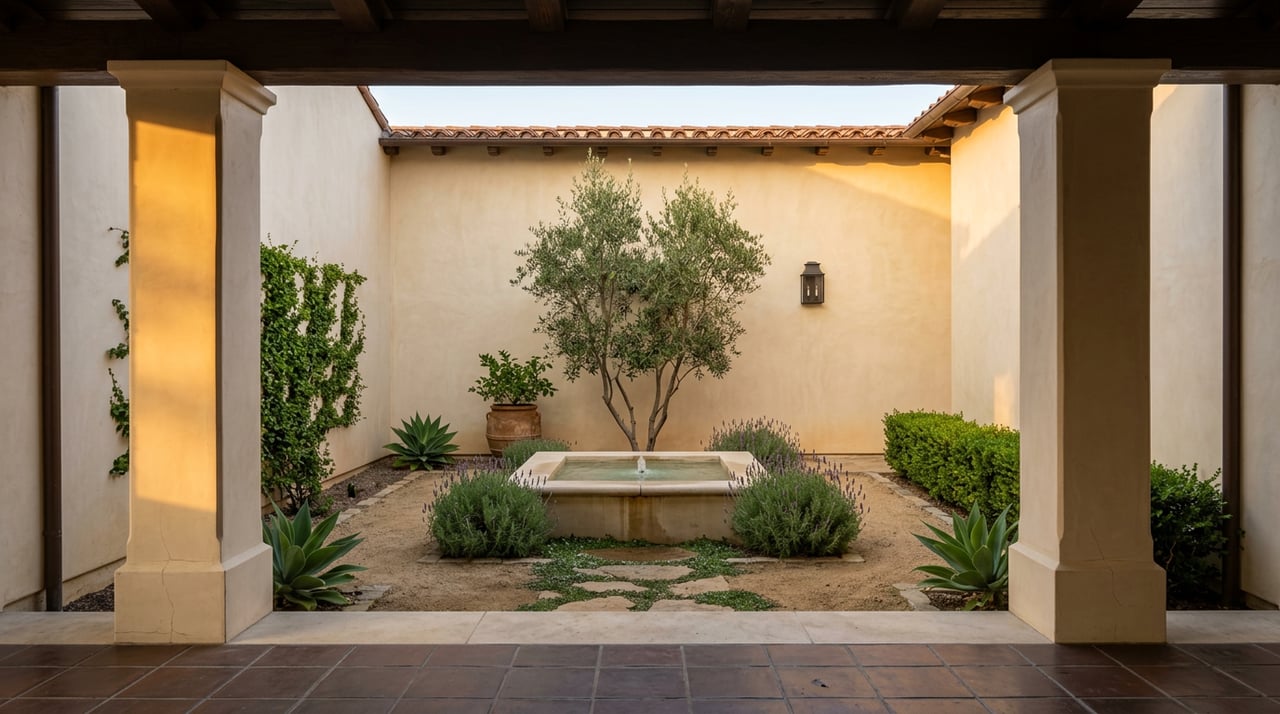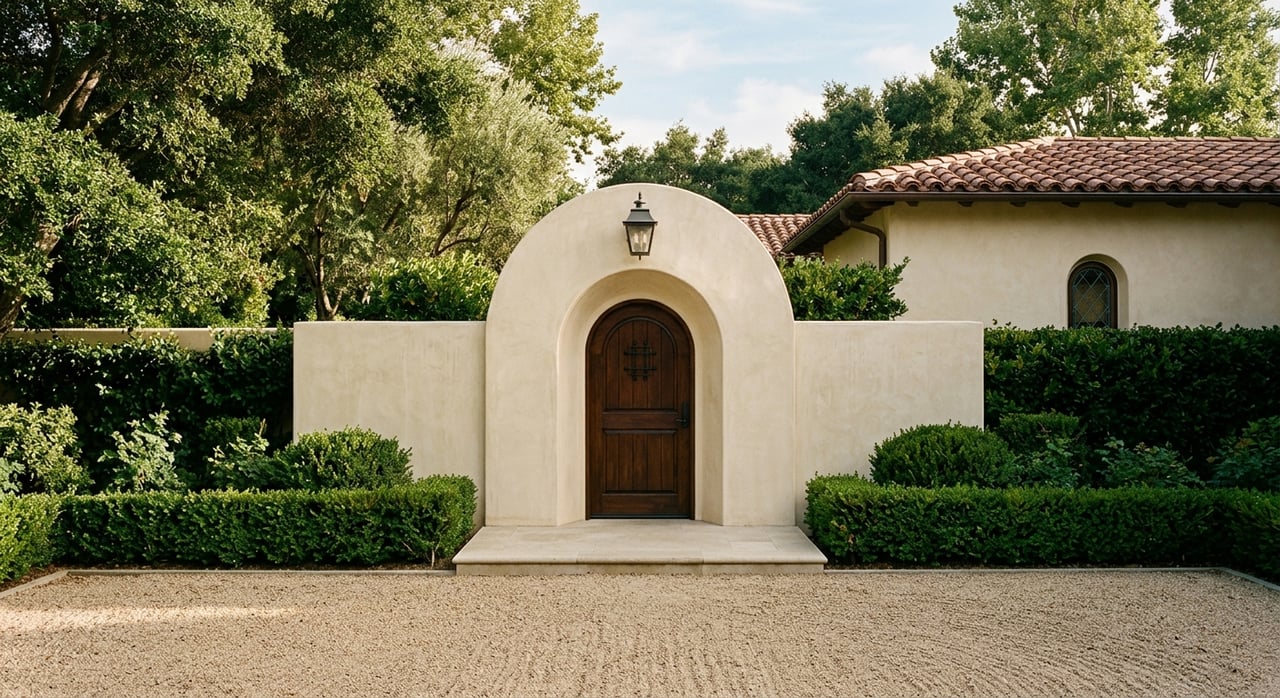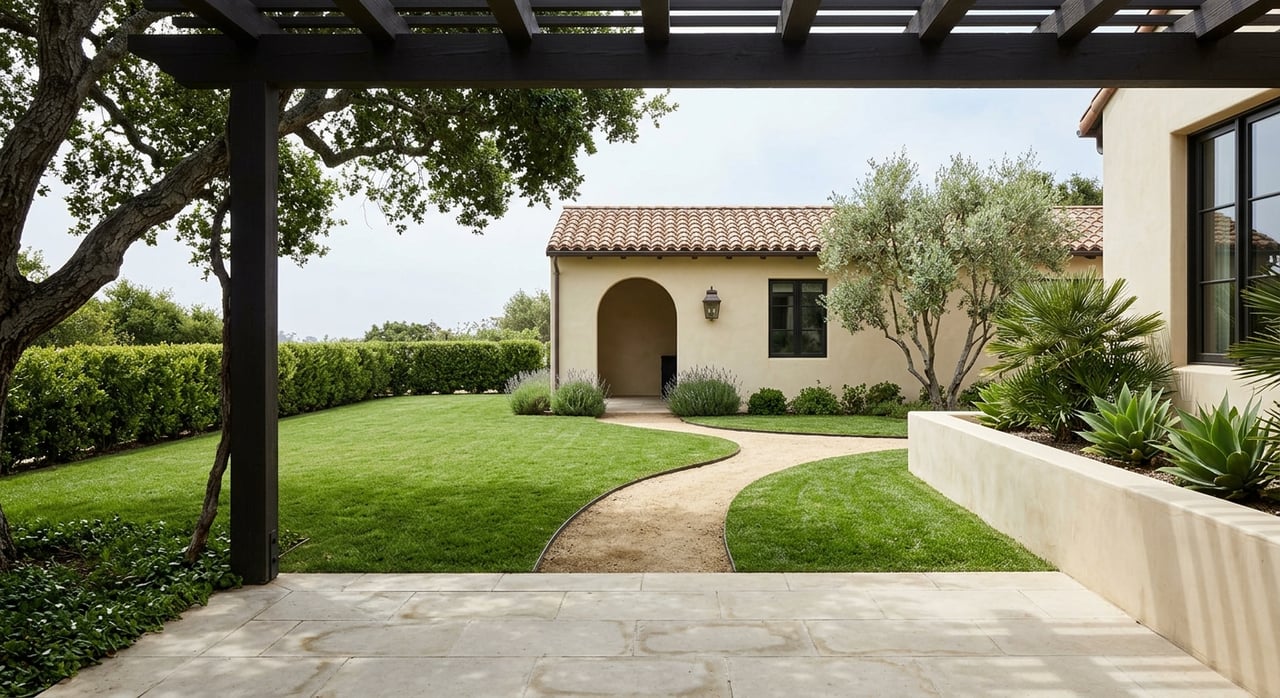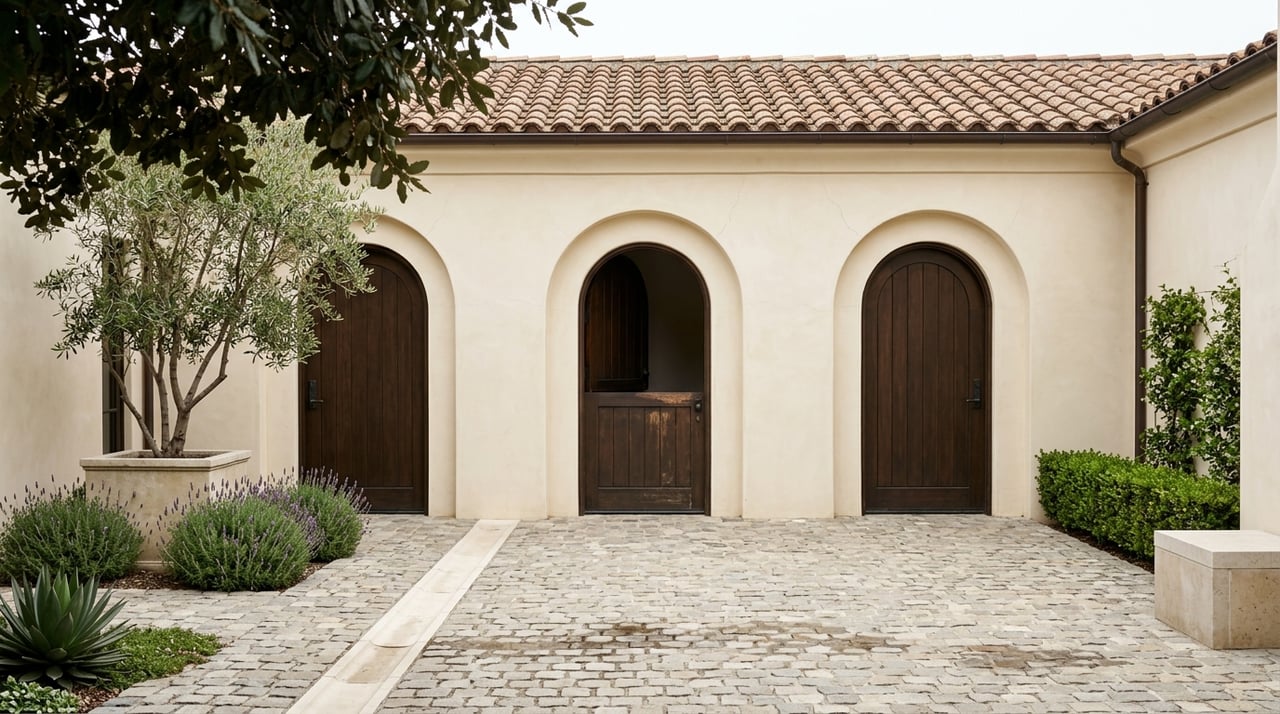
Choosing between Hope Ranch and Montecito for your next estate is not just about price or square footage. It is about how you want your daily life to feel once you arrive. If you are weighing privacy, coastal access, land, and lifestyle in one of the Santa Barbara South Coast’s most sought-after settings, this guide will help you compare the two with more clarity. Let’s dive in.
Hope Ranch vs. Montecito at a Glance
Hope Ranch and Montecito both offer estate-caliber living, but they do so in very different ways. Hope Ranch is a more contained and consistently planned community, while Montecito offers a wider range of settings, parcel sizes, and neighborhood patterns.
That difference matters more than many buyers first expect. In simple terms, Hope Ranch often suits buyers who want a private, horse-friendly enclave with shared community structure, while Montecito often appeals to buyers who want a semi-rural coastal setting with broader public beach access and more location-by-location variety.
What Hope Ranch Feels Like
A More Unified Estate Community
Hope Ranch is a 773-lot community spread across 1,863 acres, according to the Hope Ranch Park Homes Association. Using those figures as a broad benchmark, that equates to roughly 2.4 acres per lot, though individual parcels vary.
For you as a buyer, that usually translates into a sense of space and consistency. The community was laid out with irregular lot shapes that follow the land’s scenic outlooks and home-site possibilities, which gives Hope Ranch an estate feel that is spacious yet cohesive.
Private Roads and Structured Living
One of Hope Ranch’s defining traits is its internal governance. The community’s rules cover private roads, trails, beach use, horses, and guest access, and roadway speeds are limited to 25 mph.
That level of oversight creates a more controlled residential environment. If you value order, quieter roads, and a clear framework for how the community functions, Hope Ranch may feel especially natural.
Equestrian Life Is Central
Hope Ranch is explicitly described by its association as a pedestrian and equestrian community. Bridle trails are a major part of daily life, motor vehicles are restricted on the trails, guest riders must be accompanied by a member, and horses may be kept on lots subject to association rules.
If horses are not just a hobby but part of how you want to live, Hope Ranch stands out. This is not simply a neighborhood with trails nearby. The equestrian identity is built into the community itself.
Coastal Access With a Member Focus
Hope Ranch offers access to a member beach and picnic area rather than a public-facing coastal experience. Members may use the picnic area without charge, guests must be accompanied by the host member, and beach use follows seasonal rules for horses and dogs.
This creates a more private coastal rhythm. If you want the beach to feel like part of a managed community amenity rather than a public destination, Hope Ranch has a distinct advantage.
What Montecito Feels Like
More Variety From One Area to the Next
Montecito is broader and more varied in how it is planned and experienced. The county community plan describes a parcel spectrum that ranges from 0.3 to 84.0 acres in the Central Urban sub-area alone, with a mix of large lots, smaller lots, cottages, village-adjacent settings, and larger estate parcels.
That means your exact location matters a great deal. In Montecito, two properties can share the same ZIP code but deliver very different experiences in terms of scale, access, setting, and surroundings.
A Semi-Rural Coastal Character
The Montecito community plan emphasizes a semi-rural residential character, privacy, views, and architectural quality. It also identifies the Village as the community’s only commercial center and Manning Park as its only public park.
For you, that often means Montecito feels residential and refined, but with a bit more day-to-day convenience woven in. It is less internally uniform than Hope Ranch and more shaped by micro-market nuance.
Public Coastline and Easier Beach Access
Montecito’s coastline is publicly oriented. The county plan notes about three miles of coastline open to the public, including Fernald Point, Miramar Beach, Hammond’s Meadow, and Channel Drive, along with public access easements at Eucalyptus Lane and Posilipo Lane and additional access at Butterfly Beach.
If regular beach access is high on your list, Montecito is often the easier fit. The coast is not reserved as a member amenity. It is part of the broader public landscape.
Equestrian and Trail Access, But Broader in Scope
Montecito does support equestrian use, but it is framed within a wider outdoor network. The county plan calls for bikeways, equestrian paths, and walking paths along road rights-of-way, creek channels, and open spaces.
That gives Montecito an outdoor lifestyle dimension, though not one as horse-centered as Hope Ranch. If you want trails and open-air recreation without prioritizing a distinctly equestrian community identity, Montecito may offer a better balance.
Key Differences That Shape Your Decision
Privacy and Community Control
Hope Ranch tends to offer tighter community control. Its private roads, association rules, member-based beach access, and equestrian framework all contribute to a more managed estate setting.
Montecito, by contrast, is guided by county planning rather than a single unified neighborhood structure across the whole area. That can feel more flexible, but it also means the living experience depends more heavily on the specific pocket you choose.
Beach Lifestyle
If your ideal day includes easy public access to the sand and shoreline, Montecito has the clearer edge. Its coastline includes multiple public access points and a more open coastal pattern.
If you prefer a more private, member-oriented beach environment, Hope Ranch is the stronger match. The difference is less about distance to the coast and more about how that access is organized.
Land and Parcel Expectations
Hope Ranch generally reads as more consistently estate-oriented. While lot sizes vary, the overall community structure supports a spacious residential feel across its 773 lots and 1,863 acres.
Montecito offers a wider parcel-size spectrum and more submarket diversity. That can be a major advantage if you have a very specific brief, but it also requires more careful property-by-property evaluation.
Equestrian Priorities
If you want horses to be a routine part of life, Hope Ranch is the clearer fit. Its rules and physical layout make that use feel embedded rather than incidental.
Montecito can still appeal to buyers who appreciate equestrian paths and trail access. It simply presents those features within a broader lifestyle mix rather than as a defining community trait.
Which Estate Setting Fits You Best?
Hope Ranch May Suit You If
- You want a more unified estate community
- You value private-road living and structured community rules
- You want member-based beach access
- You plan to make equestrian living part of your everyday routine
- You prefer a neighborhood with a strong internal identity
Montecito May Suit You If
- You want public beach access in multiple locations
- You prefer more parcel and neighborhood variety
- You want a semi-rural setting with a village core
- You like the idea of matching a property to a very specific lifestyle brief
- You want outdoor access that includes walking, riding, and coastal recreation
The Real Answer Often Comes Down to Address
The most useful way to think about this decision is not bigger versus smaller, or one prestige market versus another. It is private equestrian enclave versus semi-rural coastal community with public beach access and a village center.
That distinction helps narrow your search, but the right choice still comes down to the individual property. In both markets, estate buying is highly specific. In Montecito especially, parcel size, planning context, and neighborhood character can vary widely from one address to the next.
Why Local Guidance Matters Here
In markets like Hope Ranch and Montecito, broad labels only take you so far. A home’s setting, access, lot configuration, and relationship to surrounding uses can shape value and lifestyle in ways that are easy to miss from a distance.
That is why buyers often benefit from guidance that goes beyond inventory alerts. You need context, local pattern recognition, and a clear read on how one micro-market differs from another before you make a decision at the estate level.
If you are weighing Hope Ranch against Montecito, the best next step is to compare specific properties through the lens of how you want to live. The Dusty Baker Group brings deep Santa Barbara South Coast knowledge and polished, strategic guidance to help you find the estate that truly fits.
FAQs
Is Hope Ranch or Montecito better for equestrian estate living?
- Hope Ranch is generally the clearer fit for equestrian estate living because bridle trails, riding rules, and horse keeping are central parts of the community framework.
Is Montecito or Hope Ranch better for beach access?
- Montecito usually offers easier everyday beach access because its coastline includes multiple public access points, while Hope Ranch beach use is organized as a member-based amenity.
How do parcel sizes differ between Montecito and Hope Ranch?
- Hope Ranch has a more consistently estate-oriented pattern across 773 lots and 1,863 acres, while Montecito includes a much broader parcel range, with the county plan noting parcels from 0.3 to 84.0 acres in the Central Urban sub-area.
Does exact location matter more in Montecito or Hope Ranch?
- Exact location matters in both areas, but especially in Montecito because parcel size, density, and neighborhood character vary significantly from one sub-area to another.
What kind of buyer usually prefers Hope Ranch over Montecito?
- Buyers who prioritize private-road living, a more controlled community structure, member-focused coastal access, and a stronger equestrian identity often find Hope Ranch to be the better match.