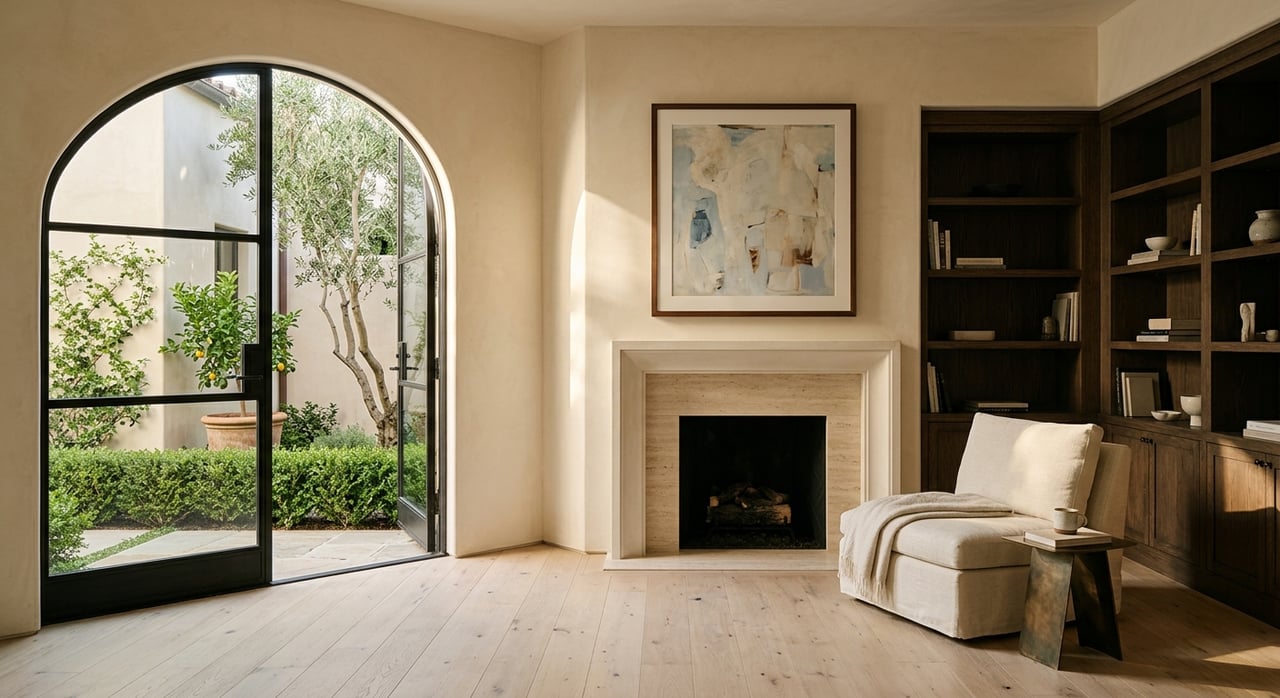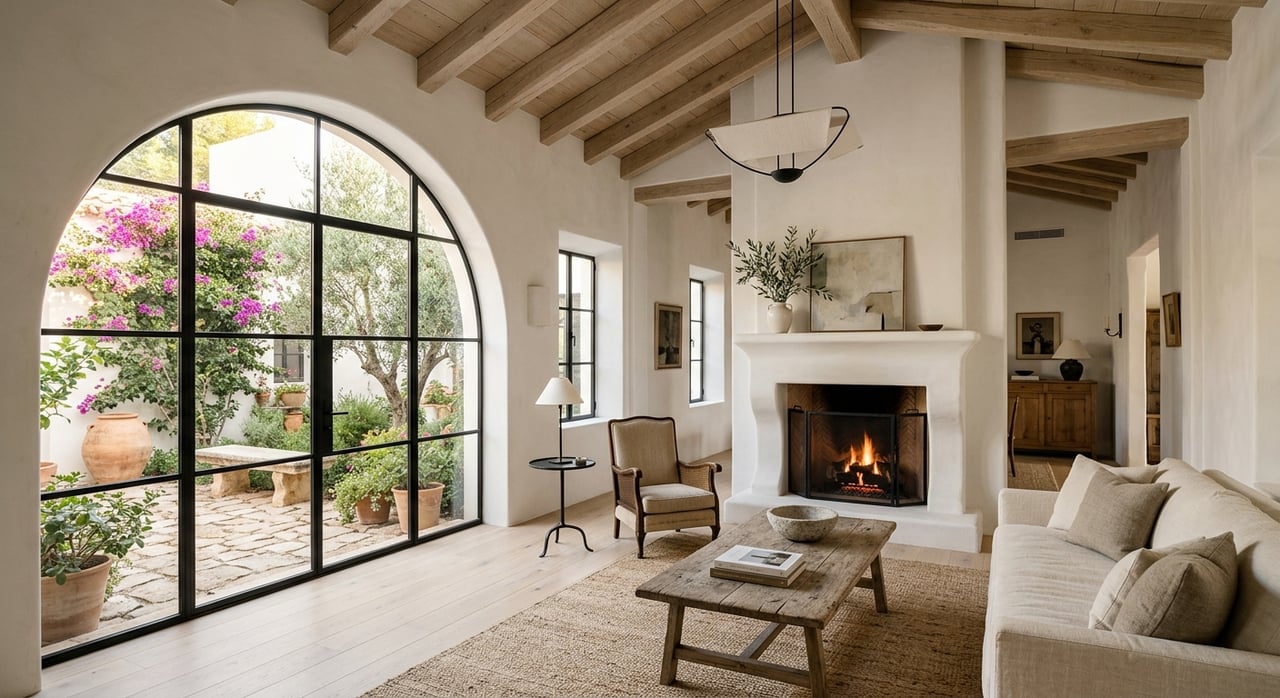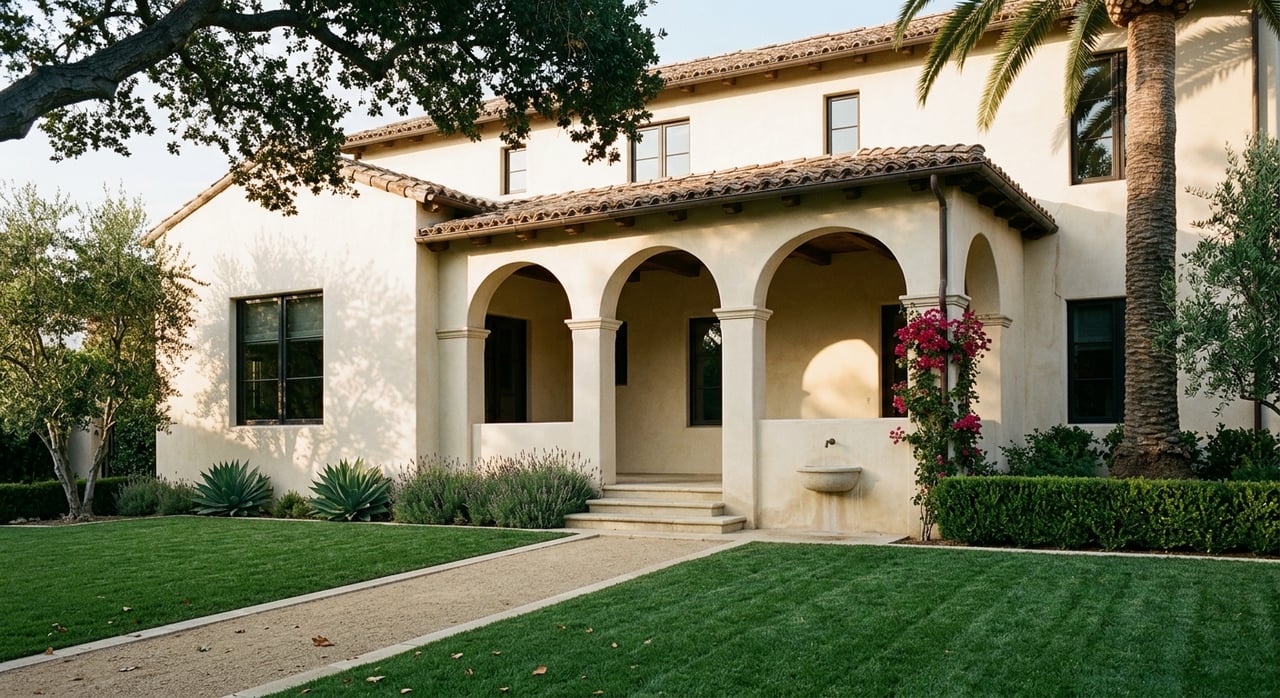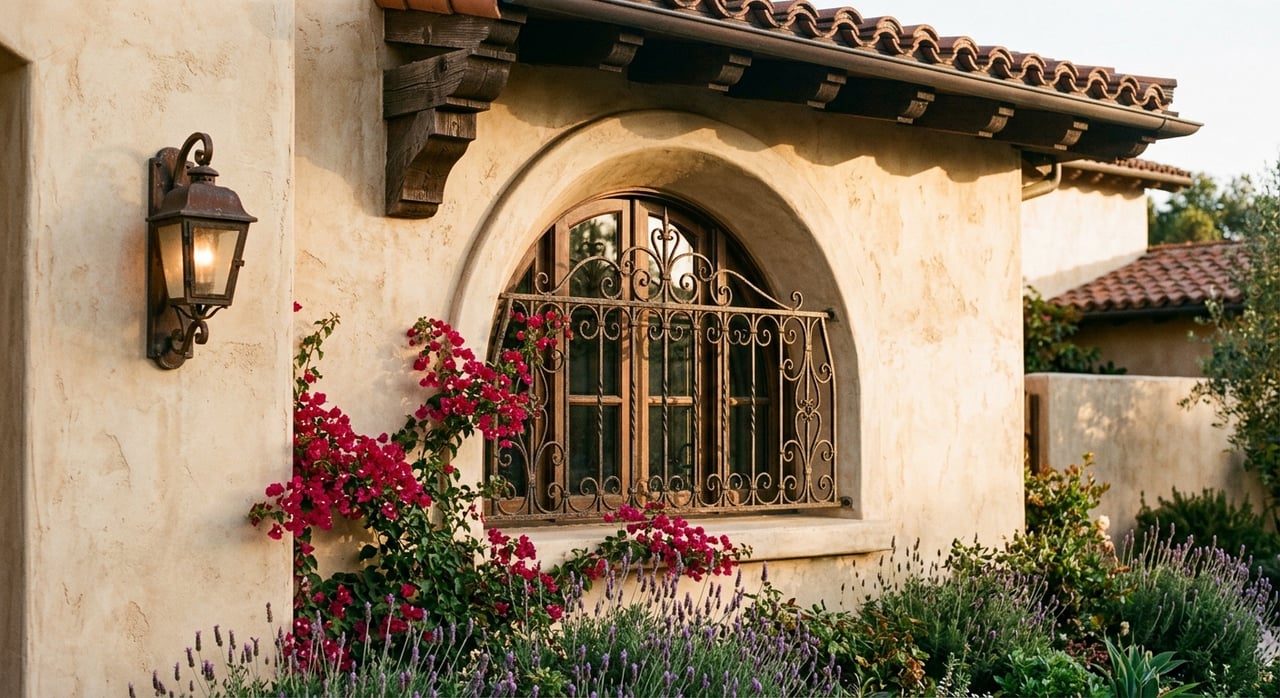
If you are drawn to Santa Barbara’s older homes, you are not alone. From adobe structures to Spanish Colonial Revival residences and Craftsman details, these properties offer a sense of place that newer construction rarely matches. But buying a historic or potentially historic home here comes with a different layer of due diligence, and understanding that process early can help you move forward with clarity. Let’s dive in.
Why Santa Barbara Historic Homes Stand Apart
Santa Barbara has long treated historic preservation as part of the city’s identity. The city recognizes both the cultural and economic value of preserving older buildings, and that preservation-minded approach shapes how many properties are reviewed, updated, and maintained.
That matters because “historic” in Santa Barbara is not a one-size-fits-all label. A home may be a City Landmark, a Structure of Merit, listed on the Local Register of Historical Resources, part of a historic district, or simply an older house that has not yet been formally evaluated.
The city’s architectural range is also unusually broad. You will see Adobe, Mission Revival, Spanish Colonial Revival, Craftsman, Queen Anne, Italianate, Folk Victorian, Stick, English Vernacular and Tudor, and Italian Mediterranean styles across Santa Barbara.
For buyers, that means value is often tied to more than square footage or lot size. Architectural character, historical context, and exterior integrity can all influence how a property is viewed and what may be possible in the future.
What “Historic” Can Mean
City Landmark vs older home
A City Landmark is the city’s highest historic distinction. Santa Barbara states that a landmark cannot be demolished except in the case of an unforeseeable natural disaster such as earthquake or fire.
Structures of Merit are also protected, though at a lower level than City Landmarks. Other properties may contribute to the character of a historic district, even if they are not individually designated at the same level.
Then there are homes that are simply older. In Santa Barbara, a house can be 50 years old or more and still not be formally designated, yet it may still require a historic evaluation before certain additions, alterations, or demolition are considered.
Historic district considerations
Historic district location is another key piece of the puzzle. In Santa Barbara, district rules can shape the review process for exterior changes, even if a property itself is newer or not individually designated.
El Pueblo Viejo Landmark District is especially important in the city’s historic core. The city says all properties in that district fall under Historic Landmarks Commission jurisdiction for alterations or new construction, and even non-contributing properties are expected to fit the adobe, Spanish Colonial Revival, or Mediterranean tradition for exterior changes or new buildings.
What To Verify Before You Make an Offer
Before you move forward on an older property, it helps to confirm the home’s status with the city’s available historic resources. Santa Barbara notes that not all properties have been surveyed, so age alone does not always tell the full story.
A strong first step is to check whether the property appears on the city’s Historic Treasures map and whether a prior historic evaluation is on file. This can give you a clearer sense of whether the home has already been reviewed or could trigger additional review later.
If the structure is 50 years old or older and is not already designated, the city requires evaluation before any proposed addition, alteration, or demolition. That makes historic status a practical due diligence item, not just a point of interest.
Your buyer checklist
- Confirm whether the property is individually designated
- Check whether it is located within a historic district
- Review whether a prior historic evaluation exists
- Ask what types of exterior changes may require review
- If the home predates 1978, plan for lead-paint due diligence
- Bring in experienced specialists early if you may renovate
Renovation Is Possible, But Review Matters
One of the most common questions buyers ask is simple: can you renovate a historic home in Santa Barbara? In many cases, yes, but the path depends on the property’s designation, district status, and the type of work you want to do.
The Historic Landmarks Commission generally does not review interior changes. It does review exterior alterations, and the city notes that even something like window replacement can fall under that review.
Some minor exterior alterations may be approved administratively if specific criteria are met and the Architectural Historian approves them. Even so, it is wise to understand the review path before you finalize your plans or your purchase.
Compatibility is the goal
In Santa Barbara, preservation does not always mean freezing a home in time. The city points to the California State Historical Building Code as an important tool for repairs, alterations, additions, relocation, change of use, and continued use of qualified historic buildings.
That framework is designed to help preserve original or restored elements while also providing reasonable safety related to fire, seismic forces, and accessibility concerns. In practical terms, many updates are about compatibility with the home’s character rather than strict avoidance of change.
For a buyer, that often means you can modernize kitchens, baths, systems, or portions of the layout, but the exterior character and defining architectural features may require a more careful approach.
Why Specialist Guidance Matters
Santa Barbara’s own review language makes it clear that older homes often benefit from expert input. When demolition or substantial change is being considered, the city may require substantial evidence from at least one qualified historic preservation specialist, structural engineer, or architect qualified in historic preservation.
Even if your plans are more modest, early guidance can save time and help you avoid assumptions. A project that looks straightforward on paper may involve historic-resource review, district oversight, or exterior design considerations that affect cost, timing, and scope.
This is especially true in a market like Santa Barbara, where many homes are architecturally distinctive and highly individualized. The more character a home has, the more important it is to understand how preservation rules and property goals intersect.
Lead Paint and Older-Home Due Diligence
If a Santa Barbara home was built before 1978, lead-based paint should be part of your due diligence. Older homes are more likely to contain lead-based paint, and renovation or repair work can create hazardous lead dust.
Testing by certified inspectors or risk assessors can help you better understand the condition of the property before you take on renovation work. Sellers are also required under federal law to disclose known lead-based-paint information before the sale of most pre-1978 housing.
For buyers, this is less about alarm and more about preparation. Historic homes can be wonderful places to live, but older materials call for informed planning.
The Mills Act and Potential Tax Relief
For designated historic structures, Santa Barbara’s main preservation incentive is the Mills Act. The city says owners who enter into a Mills Act contract may receive a property-tax reduction that helps offset maintenance costs.
According to the city, participating owners receive an average reduction of 40% to 60% over a 10-year contract period. The application window runs from January 1 to June 30, and applicants are asked to meet with the Architectural Historian by June 1.
Not every older home will qualify, and eligibility depends on historic designation and the city’s process. Still, for the right property, this can be an important part of long-term ownership planning.
A Confident Path Forward
Buying a historic or potentially historic home in Santa Barbara does not need to feel complicated. The key is to separate charm from assumptions and understand what the city’s preservation structure means for the specific property you are considering.
A clear roadmap usually starts with five steps: verify the home’s status, confirm whether it is in a historic district, understand the exterior approval path, address lead-related questions if it predates 1978, and involve the right specialists early. When you do that, you can appreciate the home’s character while making informed decisions about cost, timing, and future plans.
In a market where architectural pedigree often carries real value, careful guidance matters. If you are considering a historic or architecturally significant property on the South Coast, the Dusty Baker Group offers the local perspective and steady advisory support to help you evaluate the opportunity with confidence.
FAQs
What does historic status mean for a Santa Barbara home purchase?
- It can mean the property is a City Landmark, a Structure of Merit, on the Local Register, part of a historic district, or simply an older home that may still require evaluation before certain changes.
Do Santa Barbara historic homes allow interior renovations?
- Yes. The Historic Landmarks Commission generally does not review interior changes, but exterior alterations are reviewed and may include items such as window replacement.
How do I know if an older Santa Barbara home is officially historic?
- Check whether the property appears on the city’s Historic Treasures map and whether a prior historic evaluation is on file, since not all older properties have been surveyed.
What should buyers know about El Pueblo Viejo in Santa Barbara?
- All properties in the El Pueblo Viejo Landmark District are under Historic Landmarks Commission jurisdiction for alterations or new construction, and exterior work is expected to reflect the district’s architectural traditions.
Are there tax incentives for designated historic homes in Santa Barbara?
- Possibly. Santa Barbara’s main preservation incentive is the Mills Act, which may reduce property taxes for qualifying designated historic structures.
Why should buyers use specialists for Santa Barbara historic homes?
- Because renovation, substantial change, or preservation review may require input from qualified preservation specialists, structural engineers, or architects with historic preservation expertise.