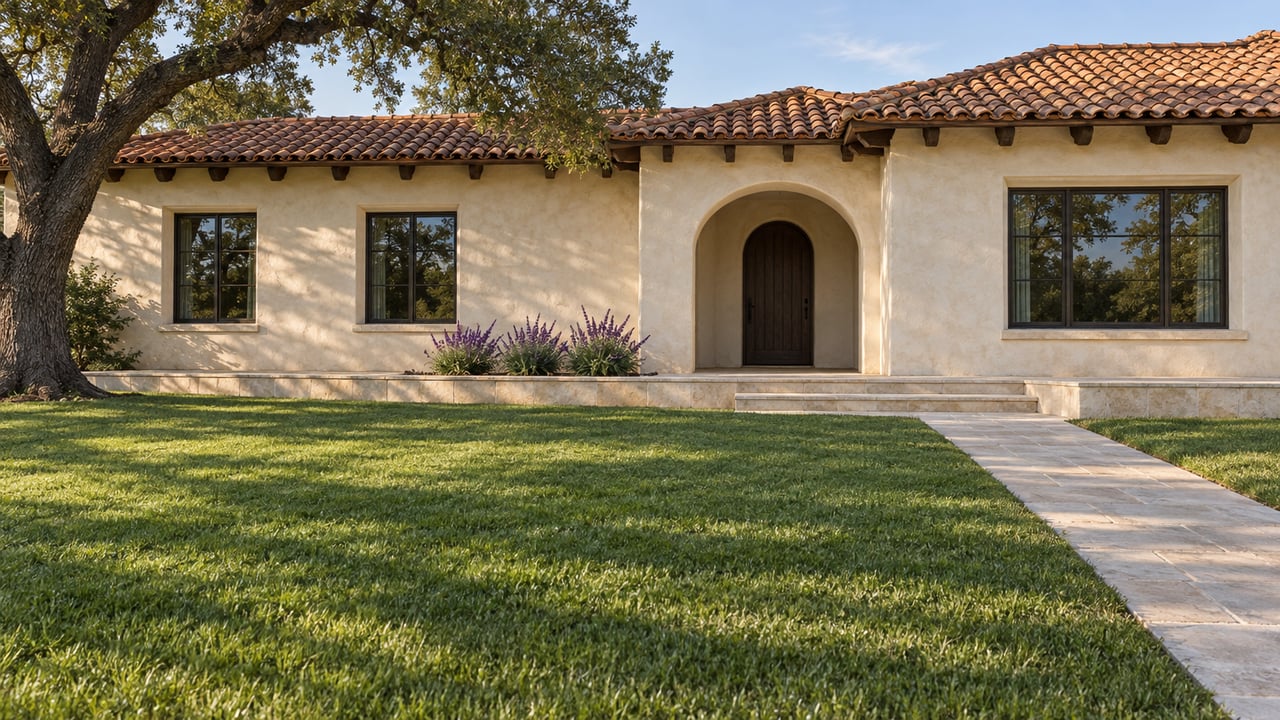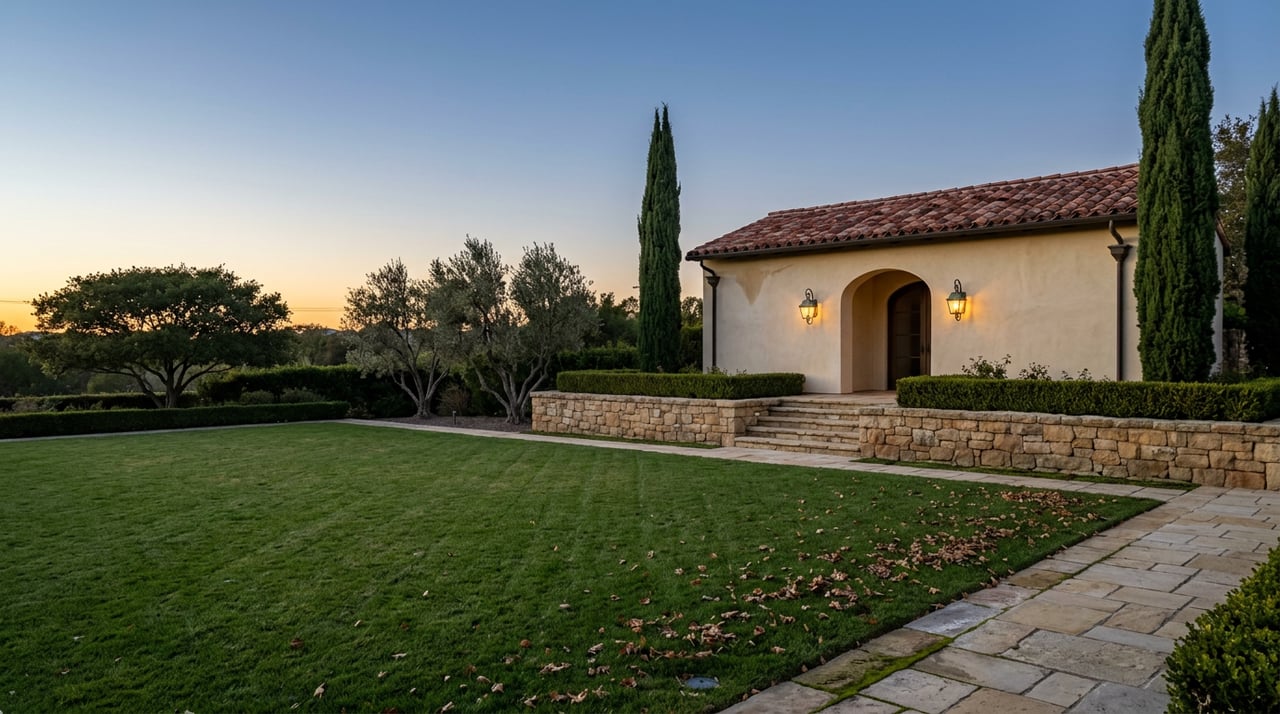
On September 19, Santa Barbara County ran two of its most established fall fundraisers within about eight miles of each other. The Community Environmental Council held its Green Gala at the Santa Barbara Historical Museum, built around this year's theme, "Rooted in Hope." The Teddy Bear Cancer Foundation held its Golden Gala at the Tuscan Hills Estate in Montecito, the home of longtime supporters Michael and Sylvia Schulte Molony.
One organization rented a museum. The other borrowed a house.
That split is worth sitting with, because it says something about how philanthropic season actually works on the South Coast, and Montecito's specific role in it. When the county needs a venue that can hold a few hundred people, a stage, a live auction, and enough parking for valets, it doesn't always look toward a hotel ballroom or a civic hall. Often enough, it looks toward a homeowner.
The Golden Gala Has Used Two Montecito Estates
The Teddy Bear Cancer Foundation's Golden Gala is the organization's sole major fundraising event of the year, the capstone of a September Gold Ribbon Campaign tied to National Childhood Cancer Awareness Month. It's capped near 300 guests, and in recent years the tickets have sold out within two weeks of going live. That's a small, tightly held gathering by design, not a public festival.
The gala has changed venues before, but not every year.
In 2024, the gala was held at Les Belles Fontaines, the Montecito estate of Alastair and Ann Winn, co-hosted with their daughter Amanda and her husband. In 2025, it moved to the Tuscan Hills Estate, home of Michael and Sylvia Schulte Molony. This September, it stayed at Tuscan Hills for a second consecutive year. The emcee, Andrew Firestone, has become close to a fixture himself, returning to host the evening year after year.
That pattern matters more than any single gala does. It means Montecito isn't hosting this event because one family happens to have a large lawn. It's hosting it because enough families here have the kind of property, and the willingness, to share the responsibility. The gala needs roughly the same footprint every year: room for a tent, a stage, a bar, and cars. Montecito keeps supplying it, though not from a different lot each time.
The Museum Did What a House Usually Does
The Community Environmental Council took the opposite path this year, choosing the Santa Barbara Historical Museum over a private residence. That choice fits the organization's focus. An environmental group asking donors to think about roots and stewardship gains something from holding its gala in a civic building tied to the region's own history, rather than inside someone's private acreage.
It's a useful contrast precisely because it's the exception. Most of the county's marquee galas default to Montecito's estates the way the Golden Gala does, not to institutional venues. When a nonprofit picks a museum instead, it stands out enough that a resident driving past the Historical Museum that night might have noticed the tents and wondered why the venue felt unfamiliar for that particular circle of donors.
Why the Estates Keep Doing This Work
None of this happens by accident. Montecito's larger residential parcels were built, or later expanded, with exactly this kind of flexibility in mind. Lawns big enough for a tennis court double as tent space. Circular driveways designed for family gatherings handle valet lines without spilling into the street. Guest houses and pool cabanas become staging areas for caterers and event crews. The same features that make these properties feel private and self-contained on an ordinary Tuesday make them functional as fundraising venues a few nights a year.
That's a different way of thinking about what a large Montecito property actually does for its owners and, by extension, for the causes they support. The land isn't just scenery. Several nights each fall, it becomes infrastructure that a museum or a hotel ballroom would charge tens of thousands of dollars to replicate, and the owners hand it over for an evening, unpaid, because the alternative is renting somewhere else.
Three Weeks Later, the Cars Take Over
The Golden Gala and the Green Gala are the opening weekend of a longer season. On October 9, Rally4Kids begins a 225-mile scenic drive from Carpinteria toward San Luis Obispo, with the exotic and vintage car procession making a public stop in Taft that Friday morning before continuing west. The rally wraps the following evening, Saturday, October 10, with the Grand Tour Gala benefiting the United Boys & Girls Clubs of Santa Barbara County, an organization that has served local youth since 1938 and now reaches more than 6,000 young people each year.
A report by The Taft Midway Driller quotes Rally Chairman Ray Link describing the event as being about far more than the cars themselves, framing it around
"the unique communities that make California such an incredible place to explore."
The rally doesn't stage through Montecito itself this year. It departs from neighboring Carpinteria and finishes its route inland. But the donor base, the sponsor overlap, and the social calendar all run through the same circle of South Coast households that fill the Golden Gala's guest list three weeks earlier. For a lot of Montecito residents, the two events aren't separate seasons. They're the same fall, viewed from a car window instead of a garden chair.
What Shows Up on the Street
None of this requires a ticket to notice. Over the next few weeks, residents in the estate neighborhoods east of the village are likely to see:
- Valet tents and extra parking coordination near the larger private parcels on gala nights, most visibly around the properties that have hosted in past years
- A noticeable jump in catering and rental delivery trucks along the residential roads leading up to those estates in the days before an event
- The Rally4Kids procession passing along coastal routes the weekend of October 9 and 10, recognizable by the concentration of vintage and exotic cars traveling together rather than in typical weekend traffic
None of it disrupts daily life for long. But it's a predictable rhythm once you know to look for it, the same way locals learn to expect Fiesta traffic in August or extra cyclists on Randall Road during a race weekend.
The Pattern Repeats Because the Land Allows It
The headline fact isn't that two galas landed on the same Saturday this year. It's that this keeps happening, gala after gala, year after year, because Montecito's largest properties are functionally built to make it possible. A neighborhood doesn't become the county's default fundraising venue by coincidence. It becomes that because enough of its homes have the acreage, the privacy, and the owners willing to say yes when a nonprofit calls asking to borrow a lawn for the night.
That's as much a part of what defines Montecito this time of year as any restaurant opening or trail closure. The season doesn't run on a calendar of public venues. It runs on a list of private addresses that happen to be built for exactly this kind of work.
If you're curious about what else shapes daily life and property character in this part of the South Coast, the team at Dusty Baker Group spends its time paying attention to these details year-round. Reach out anytime to talk through what's happening in the neighborhood, gala season included.