If you have been watching Montecito real estate, you may have noticed something that feels contradictory: inventory is limited, prices remain high, and yet not every home sells overnight. That can make the market feel hard to read, whether you are hoping to buy a standout property or preparing to sell a one-of-a-kind estate. The good news is that the numbers tell a clearer story once you understand how this small luxury market actually works. Let’s dive in.
Montecito Is a Small Luxury Market
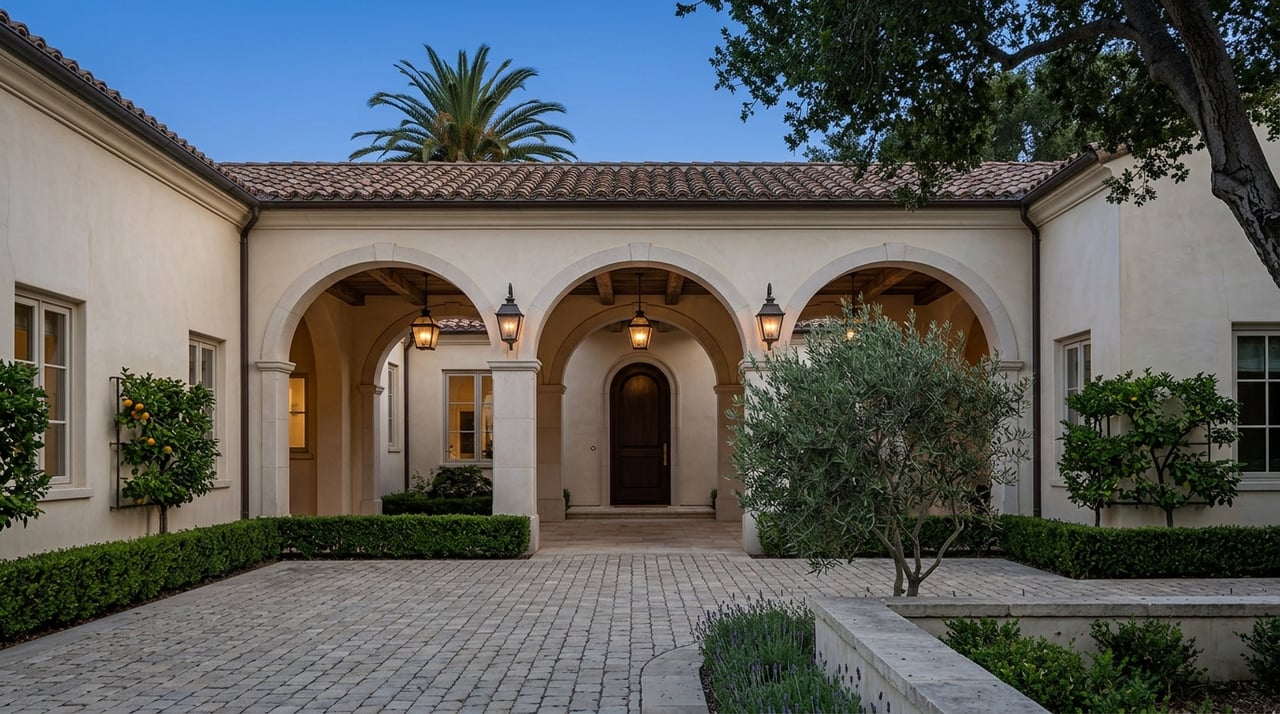
Montecito is not a broad, high-turnover market. It is an unincorporated community on the Santa Barbara County south coast, and its housing supply is shaped by a relatively small estate base rather than a large city-style resale pool.
That context matters. In Q1 2026, Montecito posted a median sales price of $5.2 million, with 35 closed sales, 65 homes in inventory, and an average 69 days on market. The same report found that 77.1% of closings were above $3 million, which confirms how firmly Montecito sits in the luxury tier.
Even so, the market can look uneven from month to month. The average sale price in Q1 2026 was $5.94 million, notably higher than the median, which suggests that a few larger estate sales can pull the average up. In a market this small, one or two standout transactions can shape the headline numbers.
Low Inventory Does Not Mean Uniform Demand
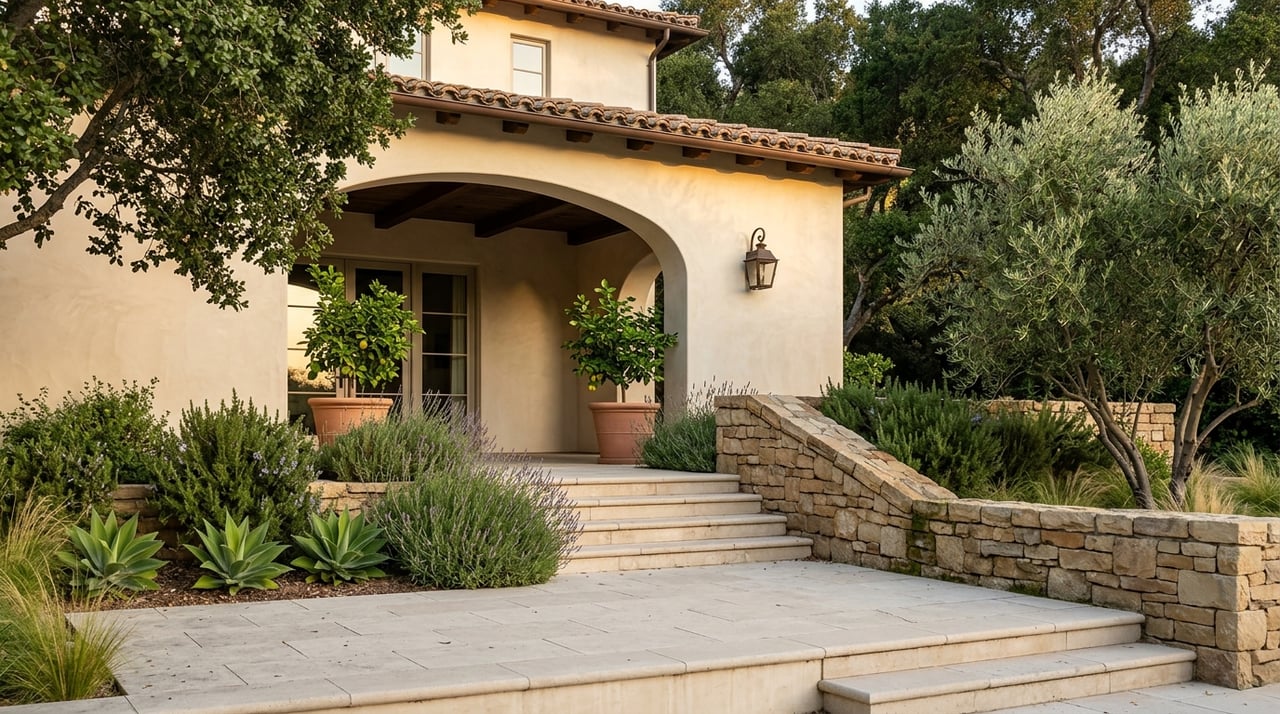
Low inventory in Montecito does not mean every listing gets the same response. It means buyers are choosing from a limited set of highly individual properties, where features like privacy, views, acreage, guesthouse potential, architecture, and condition can matter as much as square footage.
That is why broad averages only tell part of the story. Two homes with similar size may attract very different levels of interest based on how they live, how they present, and how they are priced relative to the most relevant recent sales.
For buyers, this creates a mix of selectivity and urgency. You may have time to think carefully about a property that feels niche or aspirationally priced, but a well-positioned home can still move quickly.
Why Timing Can Vary So Much
Days on market in Montecito often look inconsistent because the market is thinly traded and the listing mix changes quickly. In Q1 2026, the average days on market was 69. At the same time, rolling market snapshots from other sources showed longer timelines, which reflects how different data windows can create very different pictures in a low-volume market.
The local MLS context supports that idea. In February 2026, Montecito had 4.4 months of inventory, compared with 1.9 months for the broader South Coast and 1.8 months in Santa Barbara. That means Montecito was still relatively tight, but not nearly as fluid as nearby submarkets.
In practical terms, the clock in Montecito is usually more about pricing and fit than raw market heat. A home that aligns with buyer expectations can move very quickly, while a more specialized or overly ambitious listing may take much longer.
A Clear Example of Market Spread
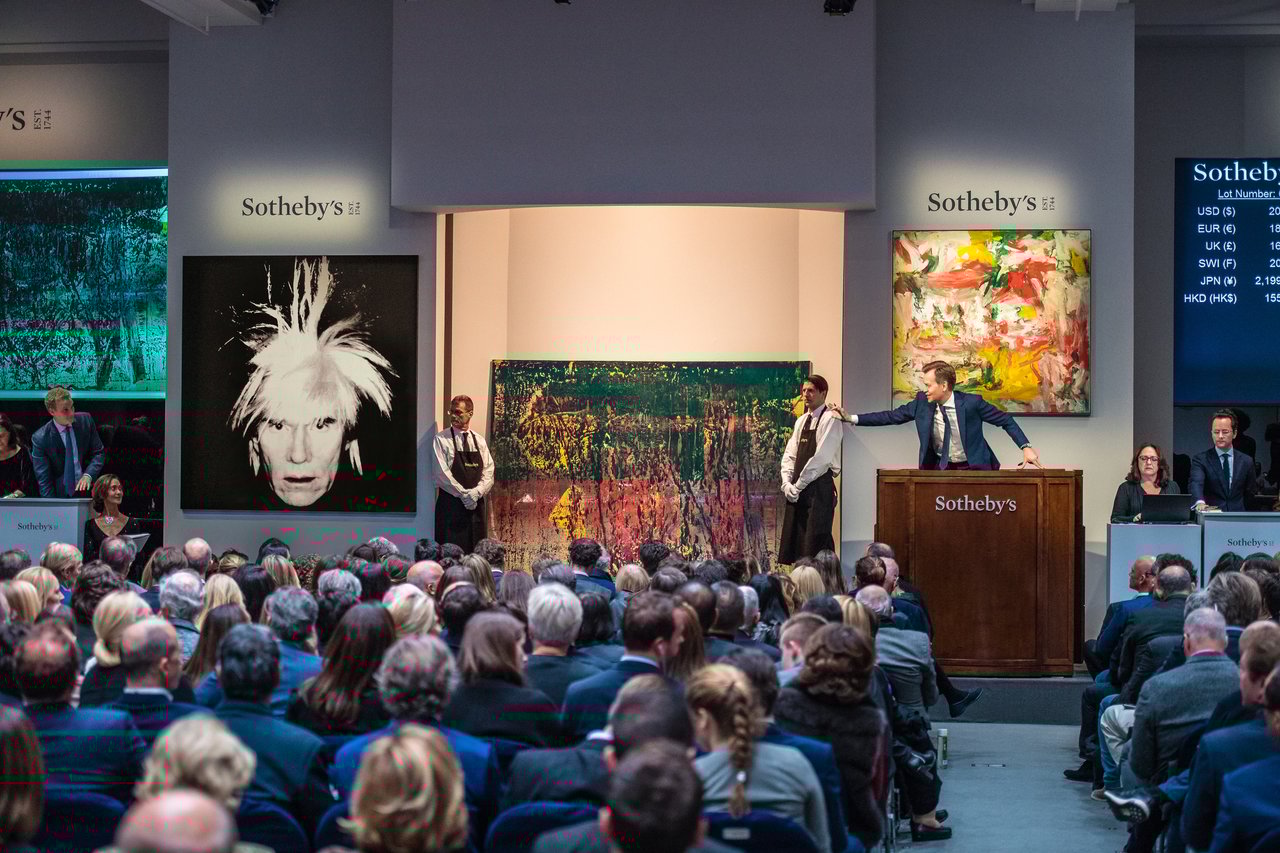
Recent luxury-market examples show just how wide that spread can be. One Montecito property at 155 Santa Isabel Lane sold in 9 days for 119% of list price. Another, 109 Rametto Road, sold after 522 days at 73% of list price.
Those two outcomes happened in the same luxury market. The difference highlights an important point: scarcity alone does not guarantee a premium result. In Montecito, pricing discipline and presentation quality matter just as much as limited supply.
What Buyers Should Expect
If you are buying in Montecito, low inventory means you may need to move quickly when the right property appears. It also means you should expect fewer perfect comps and more judgment calls, because many homes are simply not interchangeable.
A broad market average may not help much when you are comparing a gated estate with ocean views to a different property focused on land, architecture, or guest accommodations. In this market, the details drive value.
That is why preparation matters. Before a new listing appears, it helps to know your must-haves, your trade-offs, and where you are willing to act decisively.
Buyer Priorities Matter More Here
In a market with limited turnover, waiting for a market-wide reset may not be realistic. Montecito’s median sold price has stayed roughly between $4.64 million and $5.7 million across the last five Q1 periods, even as timing and transaction counts have shifted.
That pattern suggests resilience at the high end. It also means your best move as a buyer is often to stay focused on fit rather than trying to time every headline.
What Sellers Should Know About Pricing
If you are selling in Montecito, the most important pricing lesson is simple: use the narrowest and most relevant comp set possible. In a small luxury market, broad county averages or old headline numbers can be misleading.
The gap between Montecito’s Q1 2026 median price of $5.2 million and average price of $5.94 million is a good example. A few large estates can distort the mean, which is why median pricing and highly comparable recent sales often provide a better guide for where the market is actually clearing.
Sellers can also learn from the wide spread in recent outcomes. The difference between a 9-day sale above list price and a 522-day sale far below list price is not just about luck. It points back to pricing, positioning, and how well the property meets current buyer expectations.
Precision Beats Optimism
In Montecito, overpricing can cost more than time. A long marketing period can change how buyers perceive a property, especially in a market where inventory is limited and each listing tends to attract close scrutiny.
That does not mean sellers should underprice distinctive homes. It means they should price with precision, grounded in recent local evidence and the unique strengths of the property.
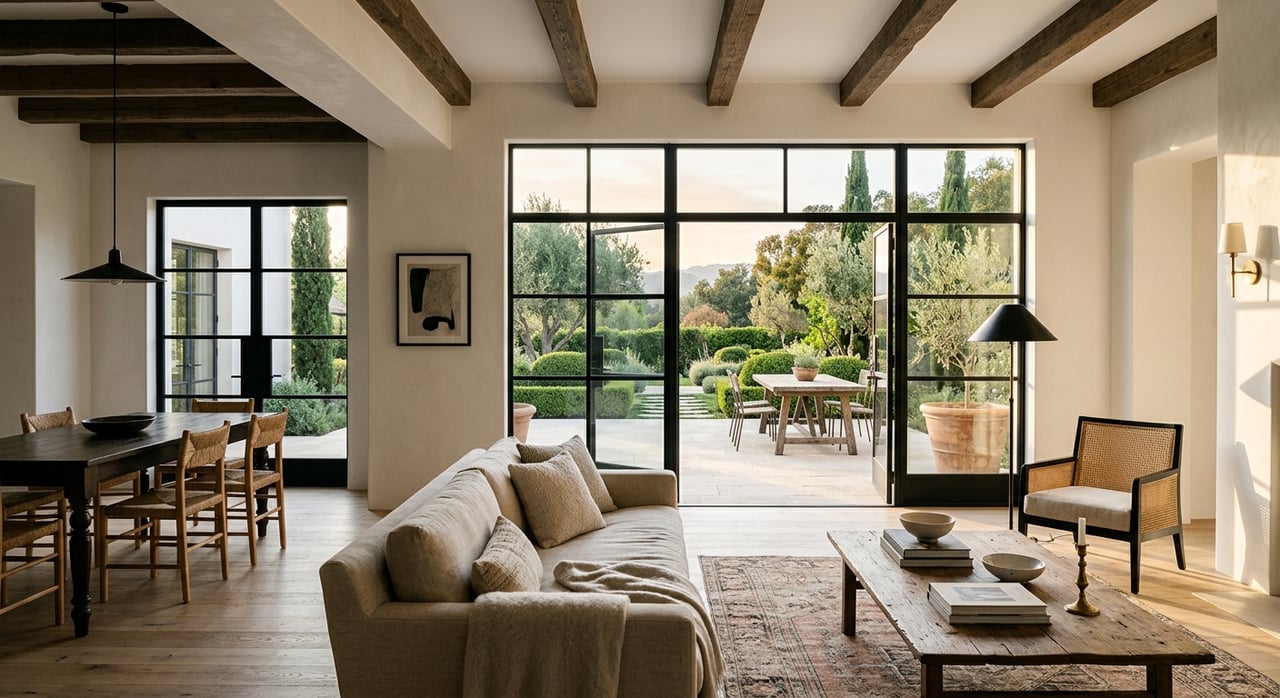
Presentation matters too. In a market where buyers are comparing a small number of highly individual homes, clean preparation and thoughtful marketing can help a property stand out for the right reasons.
Reading the Market Without Overreacting
Montecito’s luxury market can look volatile because transaction counts are small. In February 2026, there were 16 closed sales and 57 active listings. At year-end 2025, there were 50 active listings and 8.3 months of inventory, with a median sales price of $6,192,500.
Those shifts can seem dramatic, but they do not necessarily signal a fundamental change in value. In a market with a limited number of estates, the mix of what sells can move the stats quickly.
That is why context matters more here than in a larger market. Instead of reacting to one month of data, it is better to look at pricing patterns, inventory levels, and how specific types of properties are performing.
How Montecito’s Market Really Moves
At a glance, Montecito may look like a straightforward low-inventory market. In reality, it is a high-value, highly selective market where the right home at the right price can move quickly, while other listings may sit.
For buyers, that means clarity and readiness are essential. For sellers, it means thoughtful pricing, polished presentation, and a strategy built around the property rather than the headlines.
In a place where each sale carries outsized weight, local knowledge becomes especially important. Montecito does not reward generic thinking. It rewards careful analysis, timing, and a clear understanding of what makes one property more compelling than another.
If you are considering a move in Montecito, the right guidance can help you see past the noise and make decisions with confidence. The team at Dusty Baker Group brings deep Montecito market knowledge, refined presentation, and steady advisory support for buyers and sellers navigating this uniquely competitive luxury landscape.
FAQs
How does low inventory affect Montecito luxury home buyers?
- Low inventory means you are choosing from a small number of highly unique properties, so you may need to evaluate new listings quickly while staying focused on the features that matter most to you.
How long do luxury homes take to sell in Montecito?
- In Q1 2026, average days on market was 69, but timing can vary widely because pricing, condition, presentation, and property type all influence buyer response.
Why are Montecito market stats sometimes hard to interpret?
- Montecito has a low number of sales, so a few large estate closings can shift average prices and monthly trends more dramatically than in a larger market.
What should Montecito home sellers know about pricing?
- Sellers should rely on the most recent and most comparable local sales, because broad averages and outdated headline prices can misread where buyers are actually transacting.
Is Montecito more competitive than nearby South Coast markets?
- Montecito is more selective and less fluid than nearby areas, with 4.4 months of inventory in February 2026 compared with 1.9 months across the broader South Coast.
What does a buyer need to look at beyond price in Montecito?
- In Montecito, factors like privacy, views, acreage, guesthouse potential, architecture, and condition can influence value as much as size or bedroom count.