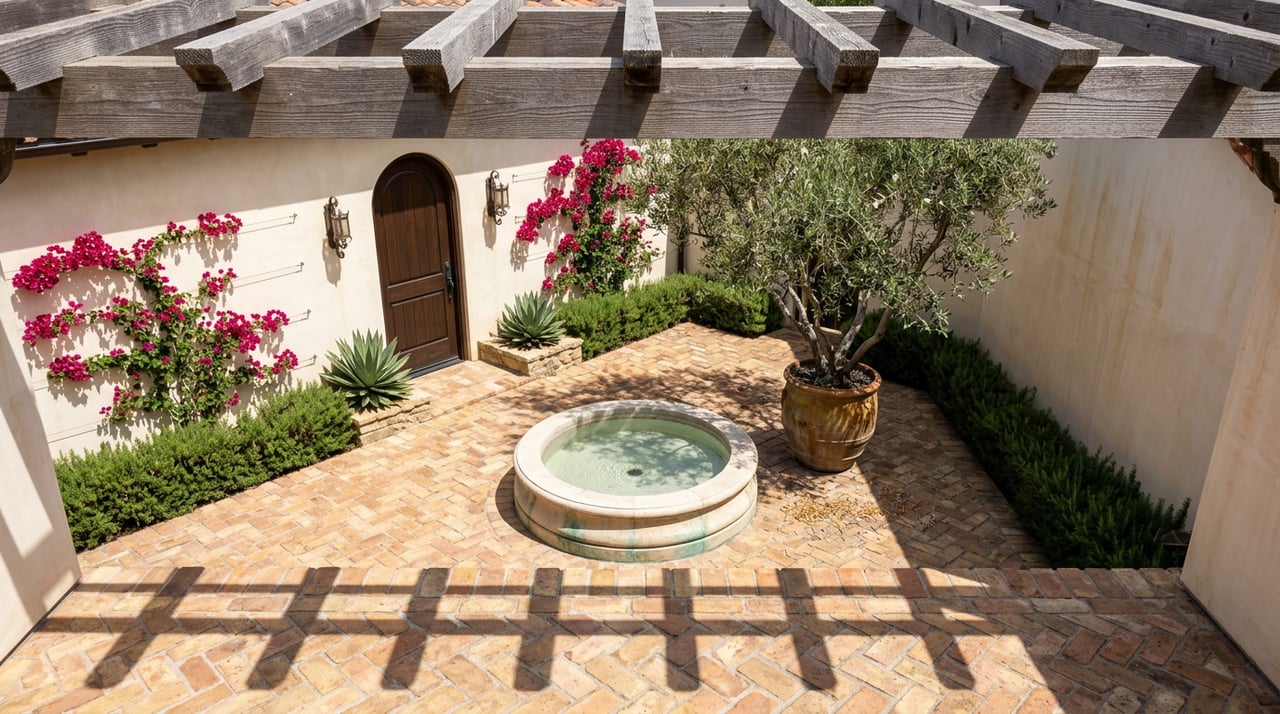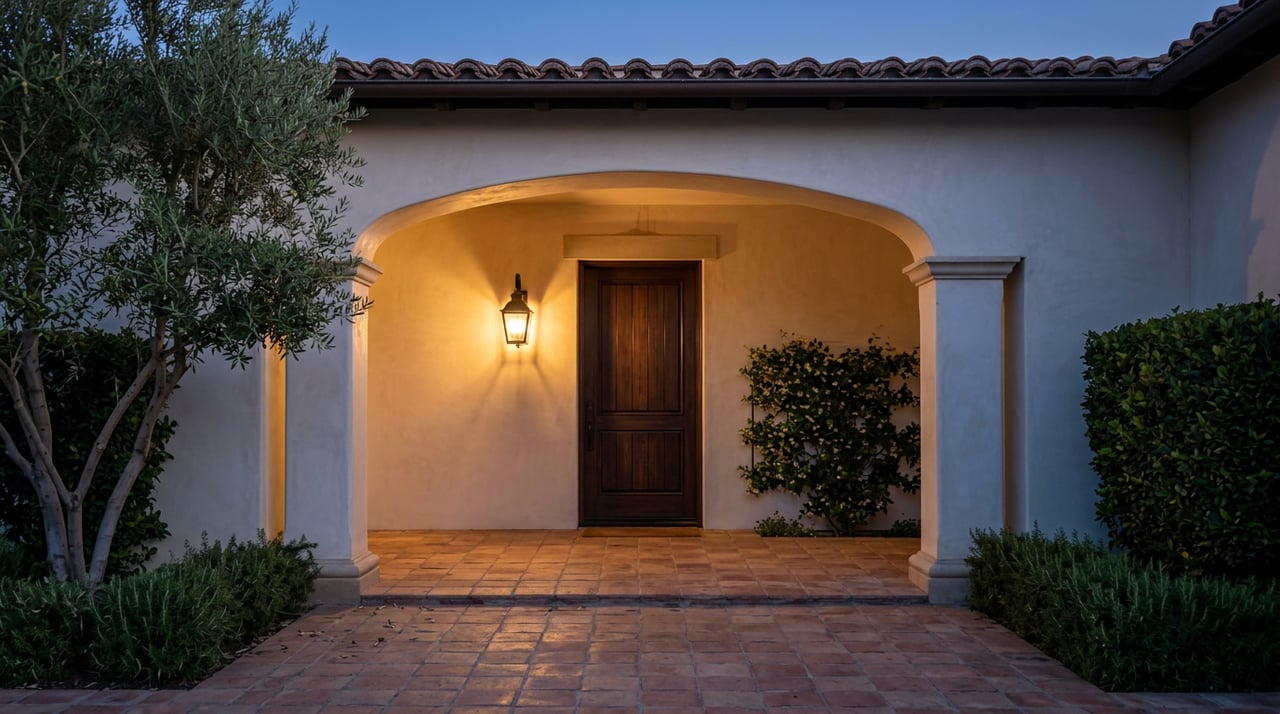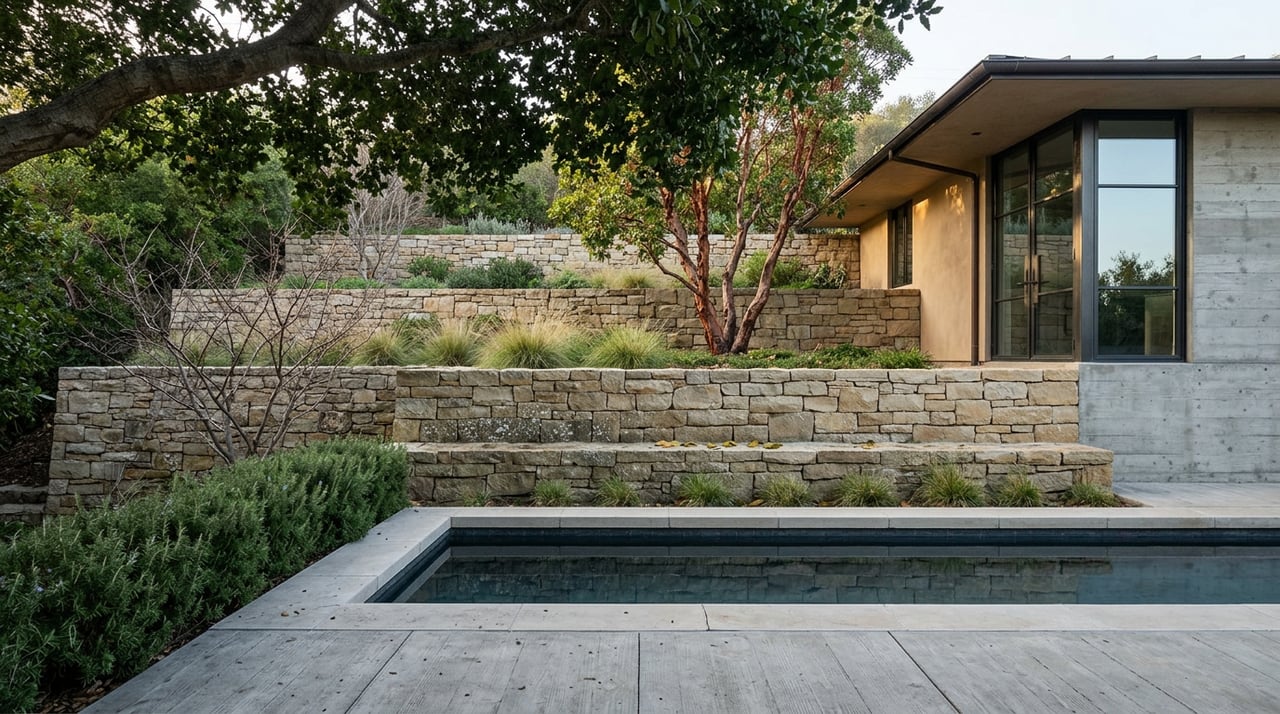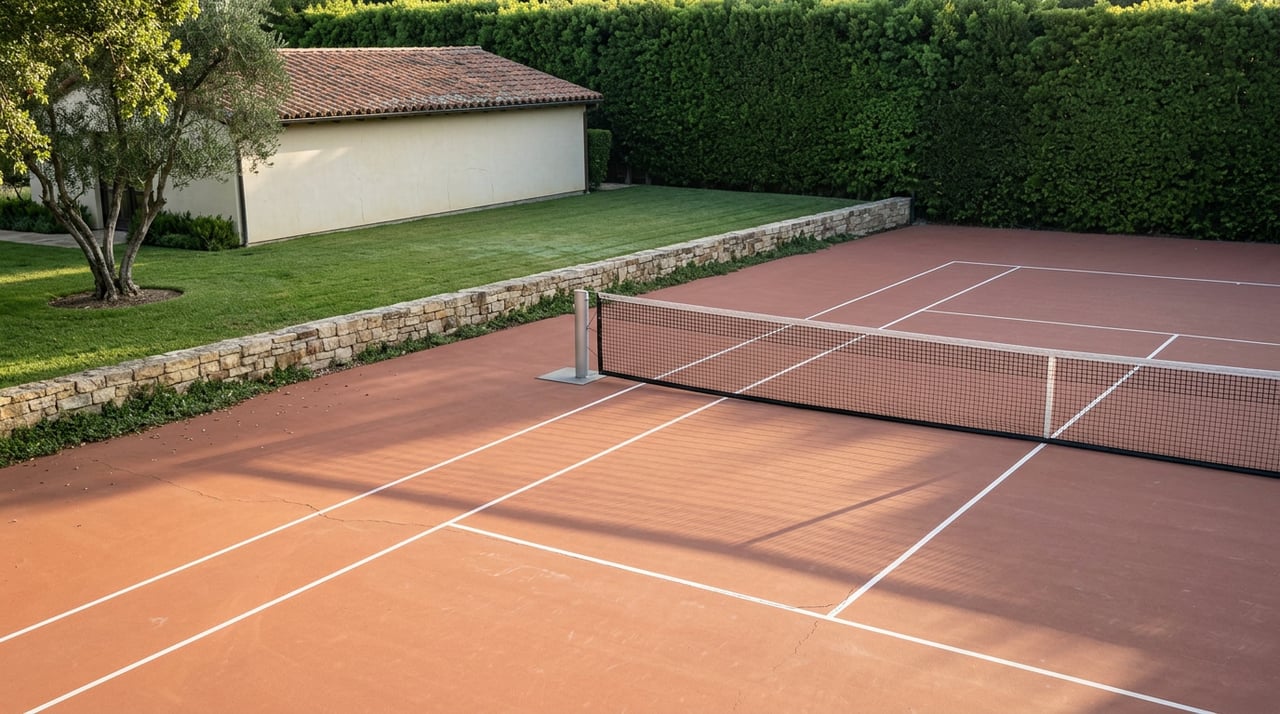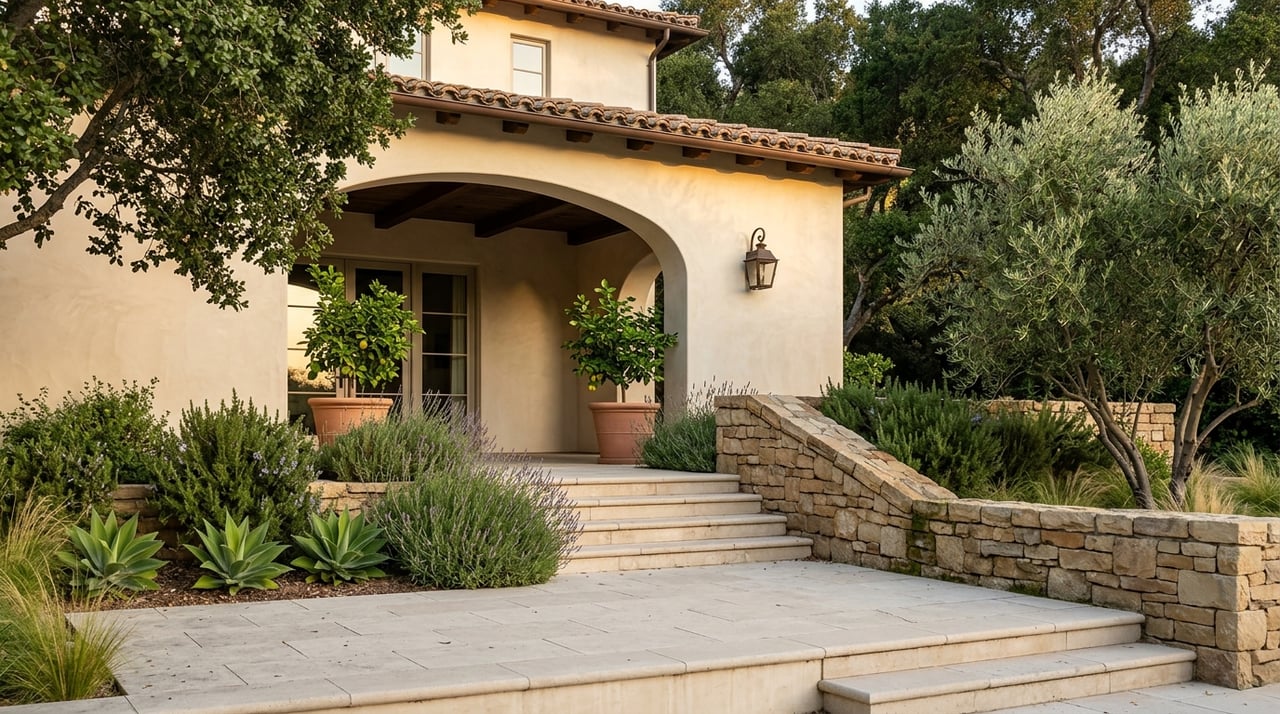
If you are choosing between Lower Village and hillside Montecito homes, a few blocks can change your day-to-day life more than you might expect. In a community as compact as Montecito, location is not just about an address. It shapes how you move through errands, privacy, views, beach access, and even property rules. This guide will help you compare both settings clearly so you can focus on the lifestyle and parcel details that matter most. Let’s dive in.
Why this choice matters in Montecito
Montecito covers a little more than nine square miles, so small shifts in elevation and proximity can create a very different living experience. The broad market labels people use, like Lower Village or hillside Montecito, are helpful starting points, but they are not official property categories.
A better way to compare homes is to look at the conditions of the specific parcel. That means reviewing whether the lot is flat or sloped, how close it is to Coast Village Road or the mountains, how exposed it is to views, and whether hillside rules apply. Santa Barbara County topographic maps and zoning tools are especially important when you want to verify the exact setting.
Lower Village homes at a glance
Lower Village is the convenience-forward pocket of Montecito. It is tied closely to Coast Village Road, which functions as the main street corridor with restaurants, shops, beauty services, and a Friday farmers market near Olive Mill Road.
At the other end of the corridor, the Montecito Country Mart adds another cluster of shops and restaurants, along with Pavilions as a grocery anchor. If you want daily errands, coffee stops, dining, and short trips to feel simple, Lower Village is often the first area to consider.
What daily life feels like in Lower Village
This part of Montecito offers the strongest case for a more walkable or bikeable routine. That is a practical result of how many everyday destinations are concentrated along the corridor, even though parking can be busy on evenings and weekends.
For many buyers, the appeal is not just convenience. It is the ability to blend ordinary routines with coastal access in a way that feels easy and immediate.
Beach access is part of the appeal
Lower Village is closely connected to some of Montecito’s best-known coastal spots, including Butterfly Beach, Miramar Beach, Hammond’s Beach, and Fernald Point Beach. There are also landscaped paths and bike or walk access near the shoreline.
If your ideal day includes grabbing coffee, running a quick errand, and heading toward the beach without much planning, Lower Village stands out. It offers one of the most seamless combinations of village life and coastal living in Montecito.
Housing style in Lower Village
Montecito’s architectural guidance describes the community as including a flat, older residential area along with lower-elevation development on south-facing slopes. Across Montecito, the housing mix includes small cottages, distinct residential neighborhoods, and historic large estates.
In Lower Village, that often points to more neighborhood-scaled living and a lower-profile streetscape than the hillside belt. Still, the exact look and feel can vary quite a bit from one parcel to the next.
Hillside homes at a glance
Hillside Montecito is the privacy-and-views pocket. Here, the experience is shaped more by topography, siting, landscaping, and the relationship between the home and the land.
The Montecito Community Plan places strong emphasis on preserving the area’s semi-rural character, protecting views of the mountains and ocean, and keeping development subordinate to the natural open-space setting. For buyers, that usually translates into a stronger retreat feel and more separation from the busier village core.
What daily life feels like on the hillside
Hillside homes often offer more privacy, more topographic drama, and a stronger sense of arrival. Narrow roads, extensive landscaping, and homes that remain less visible from public view are all part of the broader Montecito character described in local design guidance.
That does not mean every hillside property feels remote. It means the rhythm of living is usually quieter, more site-specific, and more connected to the natural setting than in Lower Village.
Views and architecture often drive demand
The hillside inventory is the most likely place to find estate-scale homes, architect-designed residences, and view-driven properties. Montecito’s planning and historical records reference a wide architectural range, including homes associated with notable architects such as Myron Hunt, Bertram Goodhue, Frank Lloyd Wright, and George Washington Smith.
For a design-minded buyer, this can be one of the strongest reasons to focus uphill. The hillside often delivers the combination of privacy, scale, and architectural presence that is harder to replicate near the village corridor.
Design review can play a bigger role
Hillside properties may come with more design oversight. County code states that structures subject to Montecito’s ridgeline and hillside rules within the Montecito Community Plan area may not exceed 28 feet, and the Montecito Board of Architectural Review is part of the review structure.
The local architectural guidelines also stress compatibility with neighboring properties, landscaping, and the larger community context. If you are considering remodeling, expanding, or building, these factors deserve close attention early in the process.
Lower Village vs hillside Montecito
For many buyers, the simplest comparison comes down to how you want your home to support your routine.
| Feature | Lower Village | Hillside Montecito |
|---|---|---|
| Everyday feel | Convenient and connected | Private and retreat-like |
| Best known for | Coast Village Road access and beach proximity | Views, larger sites, and privacy |
| Terrain | Often flatter | More likely sloped or topographically varied |
| Lifestyle pattern | Errands, dining, beach, shorter in-and-out trips | Quiet setting, mountain access, site-driven living |
| Housing character | More neighborhood-scaled in many areas | More estate-oriented and architecturally dramatic in many areas |
| Key due diligence | Privacy near commercial activity, parking patterns | Topography, hillside rules, access, and view considerations |
This framework is an inference from local amenities, topography, and planning guidance. It is not a formal county classification, but it is a useful way to organize your search.
Which setting fits your priorities?
If your ideal day centers on Coast Village Road, quick beach access, and a flatter routine, Lower Village may feel more intuitive. It tends to work well for buyers who want convenience built into everyday life.
If your priorities are privacy, larger sites, view exposure, and a stronger sense of retreat, the hillside may be the better fit. It often appeals to buyers who place a premium on setting, architecture, and separation.
Lower Village may fit you if you want:
- Close access to Coast Village Road amenities
- Easier trips for dining, groceries, and daily errands
- Stronger beach connection
- A flatter lot or more single-level living potential
- A lifestyle that feels active and connected
Hillside Montecito may fit you if you want:
- More privacy from nearby activity
- Ocean or mountain view exposure
- A larger or more estate-style site
- Stronger architectural drama or siting opportunities
- A home that feels more tucked into the landscape
What buyers should verify before making an offer
In Montecito, parcel-level due diligence matters more than broad neighborhood labels. Two homes that sound similar on paper can live very differently in person.
Before you move forward, it is worth asking a focused set of questions about the lot, access, and planning context.
Key buyer questions to ask
- How close is the property to Coast Village Road versus the mountains?
- Is the lot mostly flat, or does it depend on stairs and sloped access?
- Does the property fall under the Montecito Hillside Overlay rules?
- What does the county topographic map show?
- How does the setting affect privacy, guest parking, and access?
- Which evacuation zone is the property in?
For hillside buyers in particular, Montecito Fire’s emergency maps are highly relevant. The district notes that evacuation maps show predesignated zones, that primary evacuation routes may not always be available during an emergency, and that fire-hazard severity maps are based on fuels, topography, and weather. The district also maintains a storm-impact consideration map that can be useful for slope or canyon properties.
What sellers should highlight in each location
If you are preparing to sell, the story of the property should match the way buyers are likely to value that setting. Lower Village and hillside homes often attract different motivations, even within the same luxury market.
For Lower Village homes, value is usually best framed around convenience, proximity to restaurants and shops, and access to the coast. Buyers are often responding to how easily the home supports everyday routines.
For hillside homes, value is often better communicated through privacy, view corridors, site planning, landscaping, and the quality of the architecture. In these settings, the relationship between the house and the land can be a central part of the property’s appeal.
A thoughtful marketing strategy should reflect those differences. In a market like Montecito, that level of positioning can have a real impact on how buyers understand a home.
The bottom line on Lower Village or hillside Montecito homes
Lower Village is the stronger proxy for everyday convenience, while hillside Montecito is the stronger proxy for privacy, elevation, and architectural drama. Because Montecito is so compact, the difference between the two can often be felt within the first few blocks.
The right choice depends less on the label and more on your priorities, the parcel itself, and how the property will live over time. If you want clarity on that distinction, local guidance matters.
Whether you are buying a view-driven hillside estate or preparing a Lower Village home for market, the right strategy starts with a precise reading of location, setting, and buyer expectations. To talk through Montecito’s micro-markets with a local team, connect with Dusty Baker Group.
FAQs
What is the main difference between Lower Village and hillside Montecito homes?
- Lower Village is generally more connected to Coast Village Road, beach access, and daily convenience, while hillside Montecito is generally more associated with privacy, views, and a retreat-like setting.
What makes Lower Village Montecito appealing to buyers?
- Lower Village appeals to buyers who want easy access to restaurants, shops, grocery options, coastal paths, and beaches such as Butterfly Beach and Miramar Beach.
What makes hillside Montecito appealing to buyers?
- Hillside Montecito appeals to buyers who prioritize larger sites, view exposure, architectural interest, mountain access, and a more secluded feel.
What should buyers verify for a hillside Montecito property?
- Buyers should verify topography, access, evacuation zone details, county map information, and whether the property falls under Montecito hillside or ridgeline rules.
How should sellers market a Lower Village Montecito home?
- Sellers should focus on convenience, proximity to Coast Village Road, beach access, and the ease of everyday living near the commercial corridor.
How should sellers market a hillside Montecito home?
- Sellers should emphasize privacy, views, site planning, landscaping, and the architectural quality of the home within its natural setting.